Factory / Tubular accessories
How Tube Design Changes Affect Bicycle Accessory Assembly
Follow one tube profile change through stock specification, cutting details and the mating parts that come together in assembly.
Tube profile and wall thickness define the stock used for a part. A moved connection point changes part geometry and how neighboring components meet during assembly. When a support member changes, buyers need to review that member together with the bracket, fastener position or other part that meets it.
The photographs below show our Jinli factory in Hebei. Teraysun is Jinli’s international business team and operates the Hongsen website. The images record separate factory scenes in 2022 and 2023.
A profile change starts with the material definition
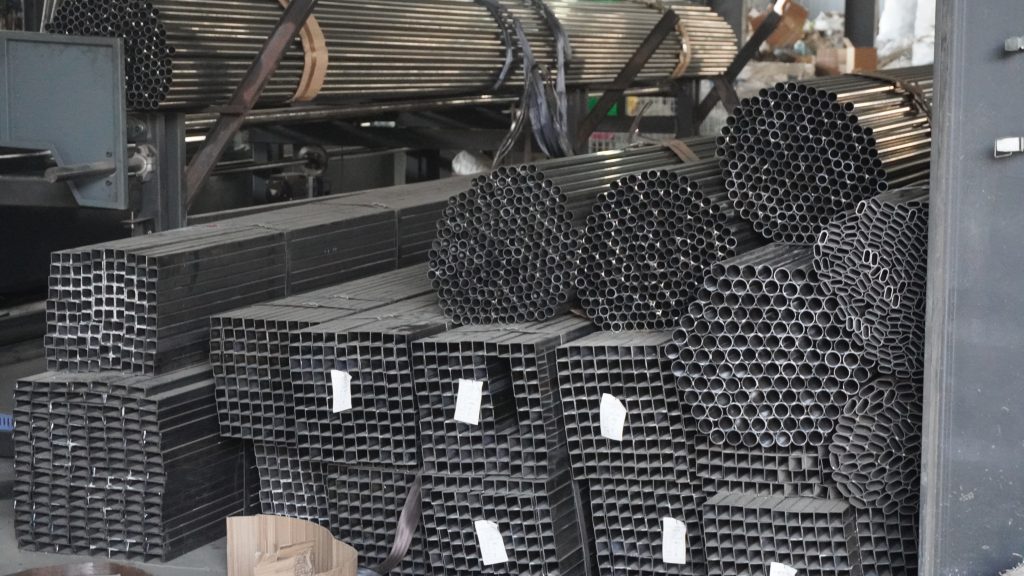
Material storage at Jinli’s Hebei factory, 9 January 2023.
The storage photograph shows bundled round, square and rectangular hollow profiles. These shapes are not interchangeable descriptions of the same part. A drawing that changes a member from round tube to rectangular profile gives the part a new cross-section and a fixed orientation. The faces and corners also change how another component can sit against it.
For a tubular bicycle accessory, the material callout therefore needs to stay connected to the profile and wall thickness. Approving only the broad material name leaves part of the structural definition unresolved.
The cut part must follow the revised joint
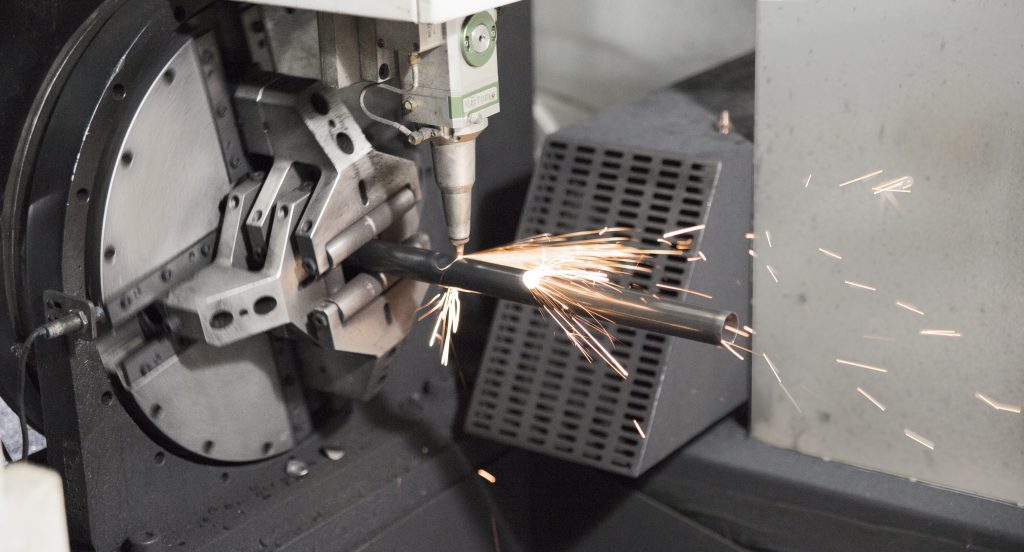
Tube cutting at Jinli’s Hebei factory, 5 August 2022.
The second photograph shows a machine holding a hollow round tube at the cutting point. Cutting turns stock into a part with a defined length and end geometry. A profile or joint revision does not automatically require a new cut. The cutting or machining drawing needs an update when the revised interface changes the required end geometry, hole position or length.
This link is easy to miss when a buyer reviews a visible shape change on its own. The revised tube may look correct in isolation, yet the joint still depends on the mating face, hole location and part orientation established elsewhere in the assembly.
Assembly shows whether the revised parts still fit together
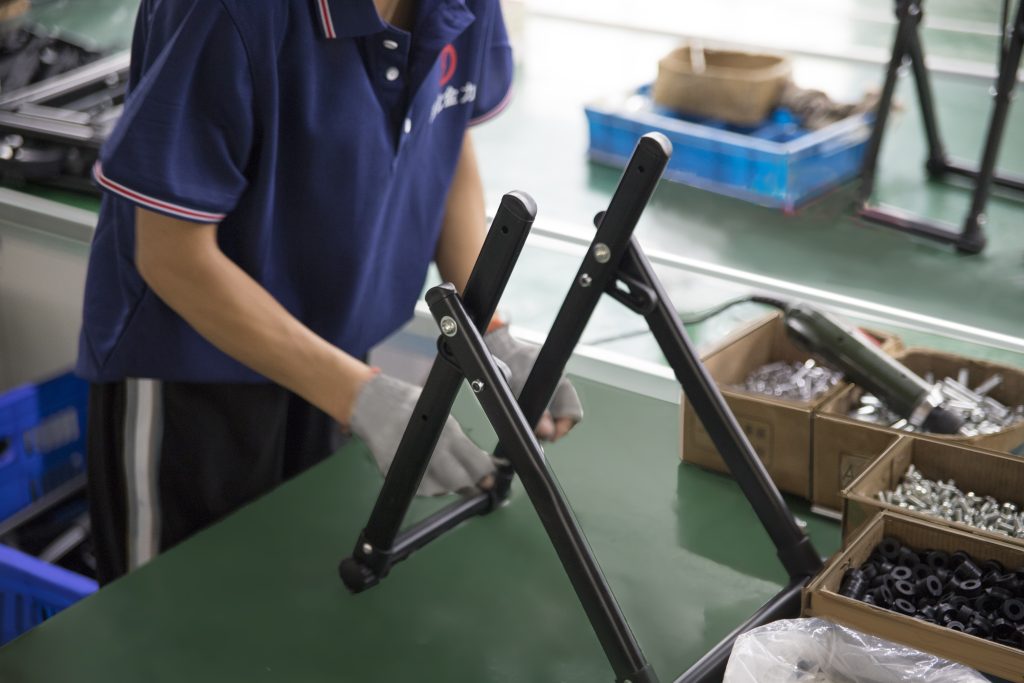
Assembly workbench at Jinli’s Hebei factory, 5 August 2022.
The assembly photograph shows a worker handling a black tubular frame. Fasteners and small components sit around the bench. Assembly brings the cut member, its mating parts and the fastening method into one physical relationship.
Consider a support tube changed from round to rectangular profile. The new flat face may alter how a bracket rests against the tube. That can affect the bracket geometry or fastener position even when the overall product outline looks familiar. Keeping the old mating part without review can leave the two revisions out of step.
A useful approval treats the tube specification, cut-part drawing and mating-part relationship as one revision. This gives the factory one consistent structure to build and gives the buyer a clearer basis for comparing the approved design with the assembled item.
See the Hongsen factory page for the wider facility view. For a current product revision, contact Hongsen with the model and marked drawing.