OEM projects / Product decisions
OEM Bicycle Accessories Branding and Product Changes
Use HS-QX-006D to separate branding and packaging changes from requests that alter the product itself.
Imagine a distributor building a private-label repair stand range for bicycle dealers. The first decision concerns the work position that the range must support. HS-QX-006D gives the project an adjustable stand with a tool tray. When that arrangement suits the intended workshop and bicycles, the distributor has one defined product on which to place the brand.
The same project changes direction when the workshop use changes. A permanent repair point on a wall calls for a different product form. A floor-supported stand that can fold presents another choice. Treating these as model decisions keeps the product brief clear before artwork begins.
Keep HS-QX-006D when its current form fits the job
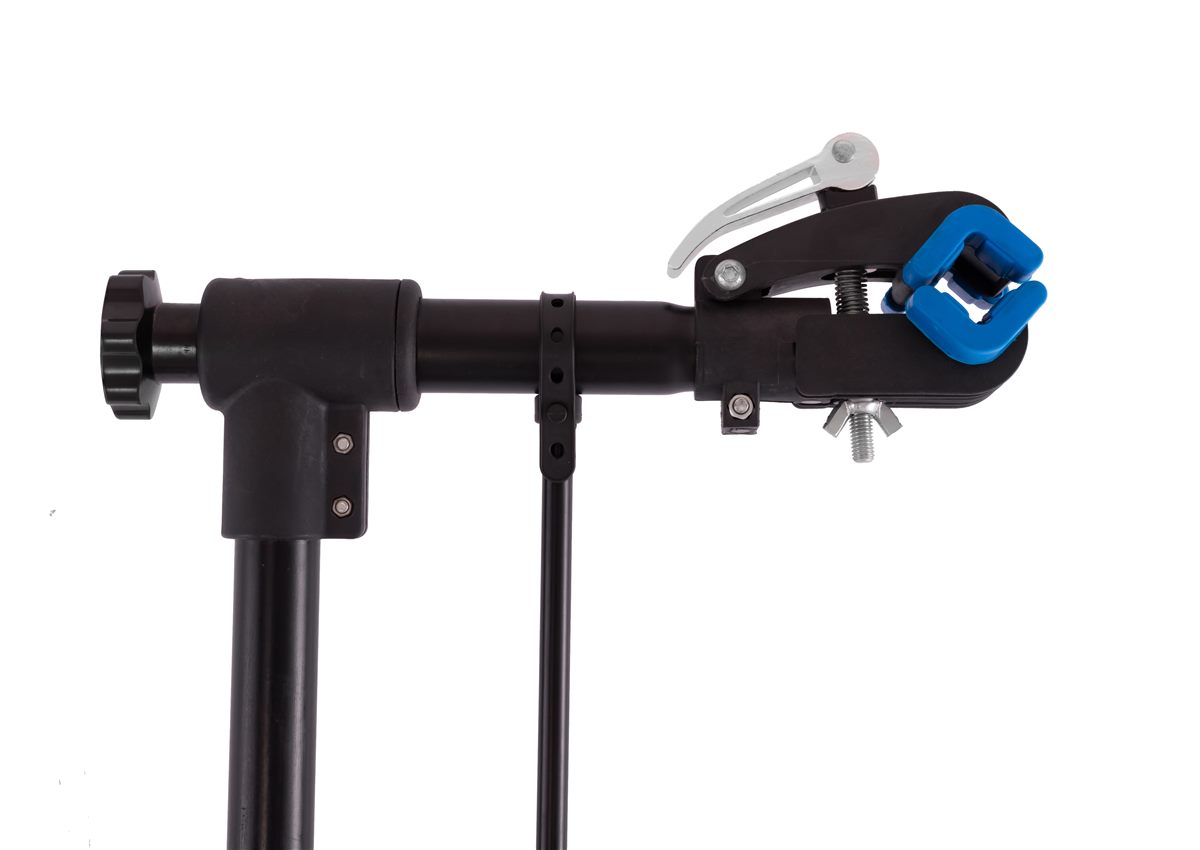
The distributor can keep HS-QX-006D when the brief calls for its existing adjustable form and tool tray. The HS-QX-006D product page gives the current model reference for checking that choice against the intended bicycles and workshop use.
The buyer can then discuss packaging and graphics for that exact model. The stand, tray and other current parts remain the physical product behind the private label. A logo position, product image and package layout can all refer to the same form instead of drifting between similar stands.
Branding stays a presentation change while the product remains intact. A request for a new panel, attachment or structural part changes the product that carries the artwork. The buyer then needs to resolve that part before locking the graphic around it.
Compare an existing model when the work position changes
A request for a fixed repair point changes the product choice before it changes the artwork. HS-QX-006W has a wall or bench mounted form. It belongs in the comparison when the bicycle must be held at a permanent workstation and the site has a suitable mounting surface.
HS-QX-006L is a floor-supported, foldable model. It belongs in the comparison when that form better suits the planned layout. The fixed workshop guide explains how the two work positions affect the space around the bicycle.
In the distributor example, a dealer who keeps one repair position available can evaluate the fixed 006W form. Another dealer may need the same area for other work after a repair, which brings the foldable 006L form into the model comparison. This choice comes before artwork because a package designed around 006D does not define the form of either alternative.
A physical change creates a product revision
The distributor may keep the intended work position yet ask for a support member with a different tube profile, perhaps to create a flatter surface for a branded panel. The request now changes the part beneath the graphic.
Consider a round support member changed to a rectangular profile. The new flat face changes how a bracket rests against the tube. The old mating part may need different contact geometry or a different fastener position. Cutting details also change when the revised joint needs another end shape, hole position or length.
The tube design and assembly guide follows this relationship through material definition, cutting details and assembly. The buyer can use the same logic here by resolving the changed tube and its mating bracket before fixing the artwork dimensions.
Teraysun is Jinli’s international business team and operates this website. See the OEM sourcing page or contact Hongsen to discuss the selected model and intended change.